The Complete Iceland Elopement Packing List (2026 Guide)

Planning an elopement in Iceland is unlike planning a traditional wedding. You’re not packing for one venue, one outfit change, and a controlled environment.

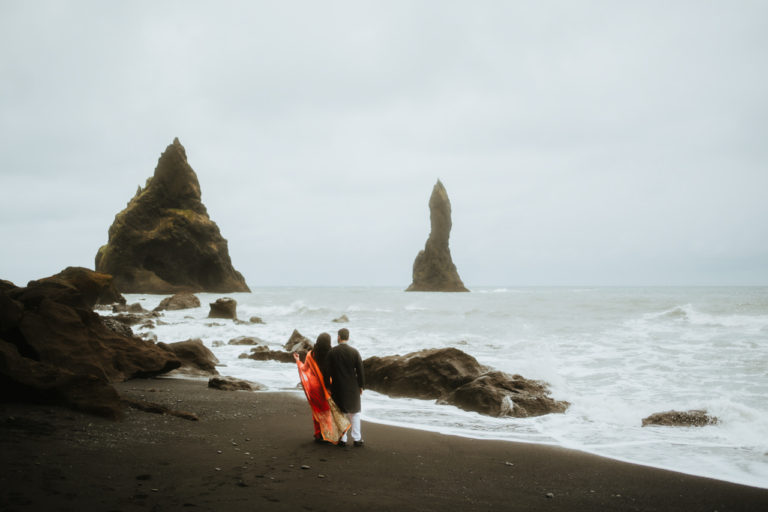
You’re packing for a full-day (or multi-day) adventure across waterfalls, black sand beaches, glaciers, and dramatic coastal landscapes like Reynisfjara or the powerful waterfalls near Skógafoss.

That’s why having the right Iceland elopement packing list matters so much and needs to do two things at once:

  • keep you warm and comfortable in unpredictable weather
  • still allow you to look and feel like you on your wedding day

This guide is designed to help you do exactly that.

Understanding Iceland Weather on Your Elopement Day

iceland elopement packing list

Even in summer, Iceland can feel chilly, windy, and wet. Weather changes quickly, sometimes within minutes.

But instead of seeing that as a challenge, most couples embrace it as part of the experience.

Because of Iceland’s open landscapes, coastal exposure, and fast-moving weather systems, you may experience sunshine, rain, wind, and mist all in the same hour. This is completely normal, especially in exposed regions like the South Coast or the Snæfellsnes Peninsula.

The key is not over-preparing — but preparing smartly.

Outfit Tips for Your Iceland Elopement

The Bride: What Actually Works in Iceland

The wedding dress

When planning an Iceland elopement, your wedding outfit should work with the environment. 

The best dresses for Iceland elopements are usually:

  • lightweight
  • flowy
  • easy to move in
  • comfortable for walking
  • layer-friendly

Flowy fabrics photograph beautifully in Icelandic wind and create movement that looks incredible in photos.

Long sleeves, capes, shawls, and textured fabrics also work especially well in Iceland landscapes.

Your Iceland elopement packing list should include comfort-focused accessories that still feel elegant and bridal.

What to Avoid When Choosing Your Iceland Elopement Dress

Just as important as what works well is knowing what doesn’t.

Some dresses simply aren’t made for Iceland’s conditions and can make the day more stressful than it needs to be.

Try to avoid anything that is:

  • very heavy or structured, which doesn’t move naturally in the wind
  • overly tight or restrictive, especially if you’ll be walking between locations
  • extremely long without any way to manage the train outdoors
  • made from delicate fabrics that can easily snag on rocks, moss, or sand
  • high-maintenance and difficult to adjust once you’re outside

It’s worth remembering that Iceland is not a controlled indoor venue — it’s a place where wind, weather, and movement are part of the experience.

The best dresses are the ones that let you forget about them once you’re wearing them, so you can focus on the moment instead of constantly adjusting or worrying about damage.

Bride Layering (Between Photos)

Between locations, you’ll want comfort layers that don’t ruin the wedding look:

  • skin-tone thermal leggings (worn under dress if needed)
  • thin thermal top under sweater during travel
  • warm wool shawl or bridal cape
  • oversized jacket for in-between moments
  • hand warmers in pockets

These never need to show in photos — they just make the day enjoyable.

Bride Shoes

Footwear is one of the most important parts of your Iceland elopement packing list. You’ll usually rely on one main pair of shoes for the entire day. Most couples don’t switch, so the real decision is choosing something that feels good to walk in and still looks right in photos.

Expect:

  • wet ground near waterfalls
  • uneven volcanic terrain
  • slippery sand and moss
  • wind that affects balance

If your elopement includes hiking or uneven terrain

If your day involves hiking in more remote or elevated areas — for example mountain trails, longer walks to viewpoints, or locations away from the main road — then comfort and stability become the priority.

In these cases, you’ll want footwear that can handle changing ground conditions, longer walking distances, and less predictable terrain.

The best choice is simple:
beautiful hiking boots.

And they can still feel wedding-appropriate.

Many couples now choose:

  • clean white hiking boots
  • soft cream or beige tones
  • minimalist designs that don’t look overly technical

This approach has completely changed how elopement styling works — you no longer have to choose between practical and beautiful.

Well-chosen hiking boots work surprisingly well with both flowing dresses and tailored suits, especially in Iceland’s natural, open landscapes.

If your elopement is mostly accessible locations

If your day is centred around easily accessible spots  then you don’t need heavy hiking footwear.

In this case, many couples choose:

  • white or neutral Converse or similar canvas sneakers
  • black leather boots (including styles like Dr. Martens)

Both options work because the terrain is more predictable, and the focus shifts from hiking performance to comfort and style.

White sneakers feel clean and modern.
Black boots feel more grounded and slightly more editorial.

And both photograph beautifully in Iceland’s landscape.

Bride essentials

Small things that quietly hold everything together:

  • vow book (always better than phone)
  • minimal touch-up kit
  • tissues (you will use them)
  • lip balm (wind is dry)
  • hair pins and ties
  • clear umbrella

The Groom: Simple, Practical, Sharp

The suit

The groom’s outfit should feel intentional, but not fragile.

Best choices:

  • wool or structured fabrics
  • darker or neutral/ earthy tones that handle outdoor light well
  • suits that still look good slightly textured from wind

Iceland is not a place for overly delicate formalwear.

What the groom actually wears during the day

Like the bride, the groom is not in “full outfit mode” all day.

Between moments:

  • warm coat for travel
  • thermal base layer under shirt if needed
  • gloves in colder seasons
  • extra socks (often overlooked, always needed)

The focus is comfort that doesn’t interfere with the final look.

Groom shoes

A single pair won’t work for everything.

Bring:

  • waterproof boots for the day
  • dress shoes only for short, planned photos

Terrain near Skógafoss and other waterfall locations is often wet and uneven, even in good weather.

Groom essentials

Most importantly:

  • extra warm socks (you’ll feel this more than you expect)
  • a clean undershirt or thermal layer for colder moments
  • gloves for in-between locations, especially outside of photos
  • a simple jacket or coat for travel between stops

Because just like the bride, the groom is rarely in “full outfit mode” all day. Most of the time is spent moving, waiting, traveling, and experiencing the landscape — not standing in perfect wedding formality.

And when the practical layer is handled well, everything else feels effortless.

Shared essentials 

Most couples underestimate how useful a small shared backpack is during an Iceland elopement day in Iceland.

You’re moving between locations, changing environments, and spending long stretches outside — so having everything important in one place makes the entire day feel lighter and more relaxed.

A small backpack usually holds the things you don’t want to think about:

  • phones
  • wallets
  • car keys

It also becomes the natural place for anything you don’t need during photos but still want close by.

Thin jackets, extra layers, or hand warmers can easily go in and out of the bag depending on the moment. Many couples simply pass these to me during shooting so they’re not carrying anything while we move between locations or focus on portraits.

It’s a small detail, but it removes a lot of mental clutter from the day.

Summer vs Winter reality

Summer

Summer in Iceland means long daylight, easier roads, and softer conditions — but not necessarily warmth.

You still need:

  • layers
  • waterproof protection
  • warm accessories for wind
  • eye mask for bright nights
  • swimsuit for hot springs

Winter

Winter is quieter, more dramatic, and more extreme.

Bring:

  • insulated coats
  • thermal layers
  • crampons or ice grips
  • warm boots
  • gloves and hats
  • hand warmers
Things couples tend to forget

Most couples focus on the dress, the suit, and the locations — which makes sense. But the experience is actually shaped by small, practical details that show up in between everything else.

Here’s what almost always gets overlooked:

  • extra socks — not just for warmth, but for changing into something dry halfway through a long day
  • lip balm and hand cream — Iceland wind is dry, and it catches up with you faster than expected
  • gloves, even in summer — especially for early mornings, waterfalls, or windy coastal stops
  • a phone charging cable for the car — long driving days drain batteries quickly when you’re navigating and taking photos
  • hair pins and simple styling tools — wind will do its own version of styling no matter what you planned
  • painkillers — long days, wind, and travel can easily lead to headaches
  • snacks — for extra energy boost
  • water bottles — surprisingly easy to forget when you’re focused on getting ready
  • a microfiber towel — one of the most underrated things you can bring after waterfall spray, unexpected rain, wet shoes, or spontaneous hot spring stops
  • sunglasses — even in colder or cloudy conditions, Iceland light can be surprisingly strong, especially when it reflects off water, snow, or wet black sand, and you’ll often be glad you have them during long drives
  • offline maps downloaded — mobile signal can be unreliable in more remote areas, so having maps saved offline ensures you can navigate smoothly between locations without stress or delays
Ceremony & personal details (the quiet essentials that matter most)

Keep all ceremony items together in one small pouch so nothing gets misplaced or left behind as you move between locations during the day.

Essential ceremony items:

  • rings, safely packed so they’re easy to access during the moment
  • vows, preferably written in a dedicated vow book
  • any symbolic elements you’ve chosen (a cord, letter, or small keepsake)
  • marriage paperwork, if you’re legally marrying in Iceland
  • copies of passports or IDs if required for your ceremony setup

These are the core pieces — everything else is optional, but often adds meaning to the experience.

Small additions that elevate the day

These aren’t necessary, but they often make the day feel more comfortable, relaxed, and personal:

  • a warm blanket for in-between moments or windy stops
  • a lightweight change of clothes for the drive or dinner afterwards
  • a small mirror for quick touch-ups between photos, especially when wind is constant
  • a warm drink flask (coffee or tea) for long stretches between locations or cold mornings
  • a small portable speaker for music during getting ready or quiet moments (used thoughtfully and only where appropriate)
  • a celebratory drink in safe, non-glass packaging for after the ceremony
  • cosy shoes or slippers for the car between locations

What to pack for iceland Elopement - final thoughts

At the end of the day, an elopement in Iceland isn’t about having a perfect checklist or getting every detail right. It’s about being able to actually experience the day without constantly stopping to fix, adjust, or worry about what you forgot. Everything that you packed quietly shapes how easy it is to stay present.

When you’ve got the basics sorted — warm layers, dry socks, something to eat and drink, your vows in one place, a charger in the car — the day stops feeling like logistics very quickly. You’re not constantly fixing things or going back for forgotten items.

And that’s usually when the experience becomes what it’s supposed to be: simple, easy, and just about the two of you actually being there, instead of managing everything around it.

Planning your Iceland elopement

If you’re currently planning your Iceland elopement, I’m an elopement photographer working with couples all over Iceland, helping them not just capture the day, but also shape how it flows in real conditions.

That means thinking through timing, locations, light, and all the small practical details — including how your Iceland wedding packing list actually supports the experience on the day.

If you want a great experience in Iceland and you like my work, feel free to reach out and we’ll plan it together.

FAQ — Iceland elopement packing list

This FAQ answers the most common questions couples have when planning their Iceland elopement packing list for a wedding in Iceland. It’s based on real elopements in Iceland, so it focuses on what actually works during a full day on the road between locations, and what actually makes the experience easier, more comfortable, and stress-free once you’re out in changing weather.

Do we really need hiking boots in our Iceland elopement packing list?

It depends on your itinerary. If your Iceland elopement packing list includes hiking or uneven terrain, waterproof hiking boots are the best choice. If your day is focused on accessible locations, you can keep your Iceland elopement packing list lighter with Converse-style sneakers or leather boots instead.

How much should we actually carry with us?

Very little. Most couples keep their Iceland elopement packing list minimal and use a small shared backpack for essentials like phones, wallets, keys, snacks, and hand warmers. Everything else usually stays in the car or is passed to your photographer during the shoot.

Is it really necessary to bring warm layers in summer?

Yes. Even in summer, a proper Iceland elopement packing list should include warm layers. Iceland can feel cold and windy, especially near waterfalls, coastal areas, and open landscapes. Layers are less about season and more about location and exposure.

What is not necessary in an Iceland elopement packing list?

A well-planned Iceland elopement packing list is more about simplicity than quantity. Many couples overpack things they never end up using.

In most cases, you don’t need:

  • multiple outfit changes
  • heavy or formal shoes for walking
  • large bags that are difficult to carry between locations
  • hair and makeup touch-up kits that require constant fixing
  • unnecessary “just in case” items that don’t match your actual itinerary

And if you’re still early in the planning process, you might also find these guides helpful: